Ep. 4: The Opportunity Alchemist: Cultivating Strategic Relationships to Build Act Three with Bruce McCreary
About The Blueprint
Welcome to The Blueprint of a Craft Podcast, where we share high-impact insights from our conversations with Visionaries, Entrepreneurs, Community Builders, and Team Leaders. Each episode distills principles from their personal blueprints—giving you practical ideas grounded in Play, Deep Conversation, and Self-awareness to help you elevate your leadership journey and craft.
The Core Concept
Leadership influence and personal craft does not stop when a corporate calendar clears or a long-standing career concludes. The shift into "Act Three"—the post-corporate or retirement phase—requires leaders to move from structured, external agendas to intentional, self-directed story-writing. By treating retirement as a non-financial exercise in curiosity, relationship-building, and self-discovery, leaders can transform decades of strategic experience into genuine human connection and personal fulfillment.
How We Define Leadership
Inspired by business magazines such as Harvard Business Review, McKinsey and Center for Creative Leadership, we define leadership as a behavioral process that bridges a compelling future state with concrete operational execution. Leadership is the behavioral bridge that makes the collective future vision a reality.
Key Leadership Points
Navigating the Non-Financial Side of Pivots: True transition management extends beyond financial readiness. It requires intentionally designing daily structure, identity, and personal purpose when external schedules disappear.
Opportunity Alchemy & Corridor Exploration: Strategic breakthroughs rarely come from unmoving end goals. Leaders must walk down new "hallways" and remain open to unexpected "corridors" of serendipity.
Transitioning Work Relationships into Authentic Connection: Moving from transactional business interactions to personal, interest-based relationships requires intentional outreach, vulnerability, and proactive effort.
Sitting in Strategic Discomfort: Resisting the urge to immediately repeat old scripts, such as jumping straight into consulting, gives leaders the necessary breathing room to discover what truly energizes them.
Overdone Strengths as Blind Spots: Recognizing when a natural leadership strength—such as intuition—is being overused allows leaders to gather essential data and bring in complementary partners to avoid blind spots.
Special Guest
Act Three Retirement / Former Sales Leader
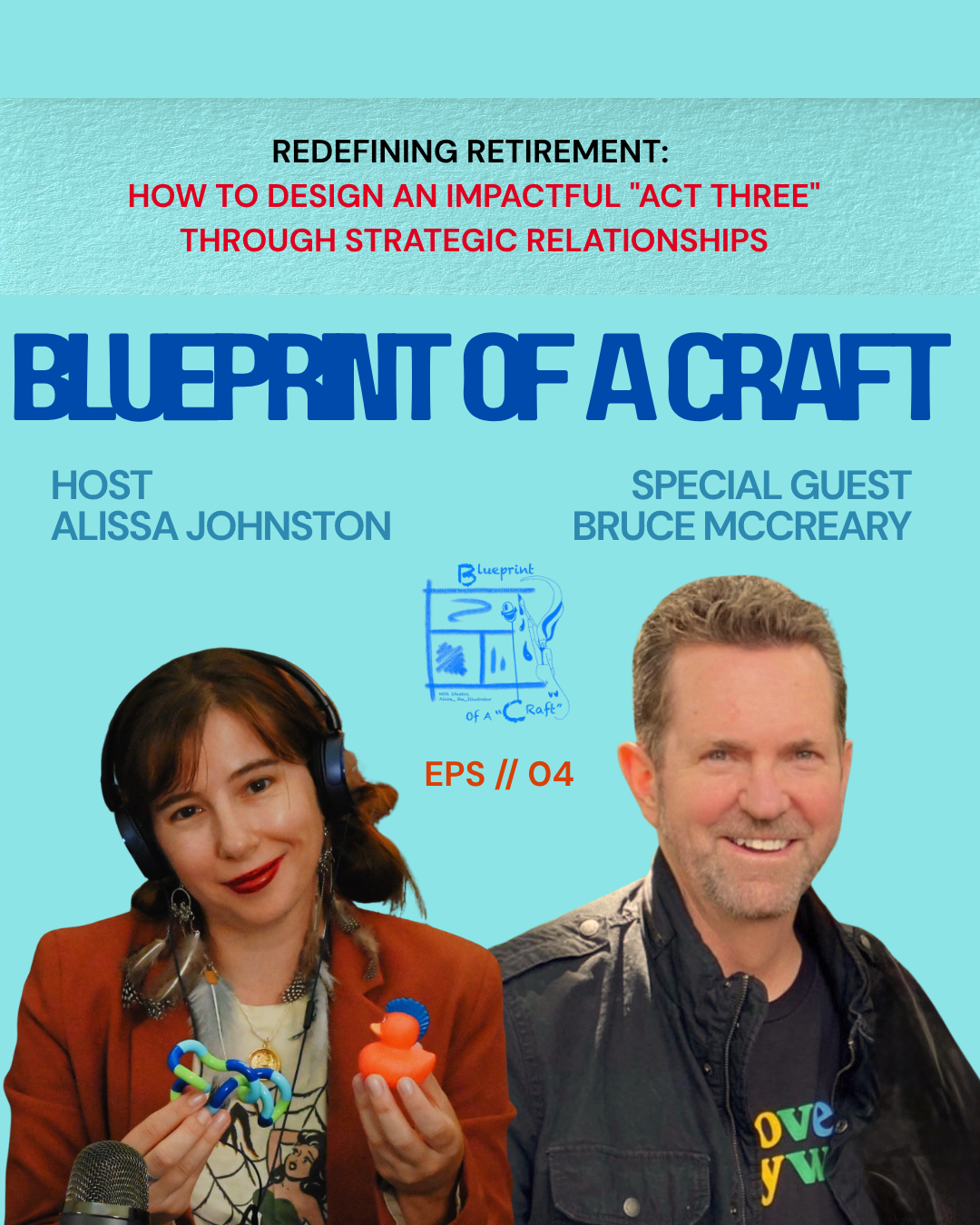
Bruce McCreary
Team Leader / Visionary
"It's like you can't really see the corridors until you're walking down the hallway. And it could be that the corridor is really what's interesting, not the hallway." — Bruce McCreary, Former Sales Leader
Guest Handles & Contact
Contact: Contact Alissa at Blueprint of a Craft
Guest Origin Story
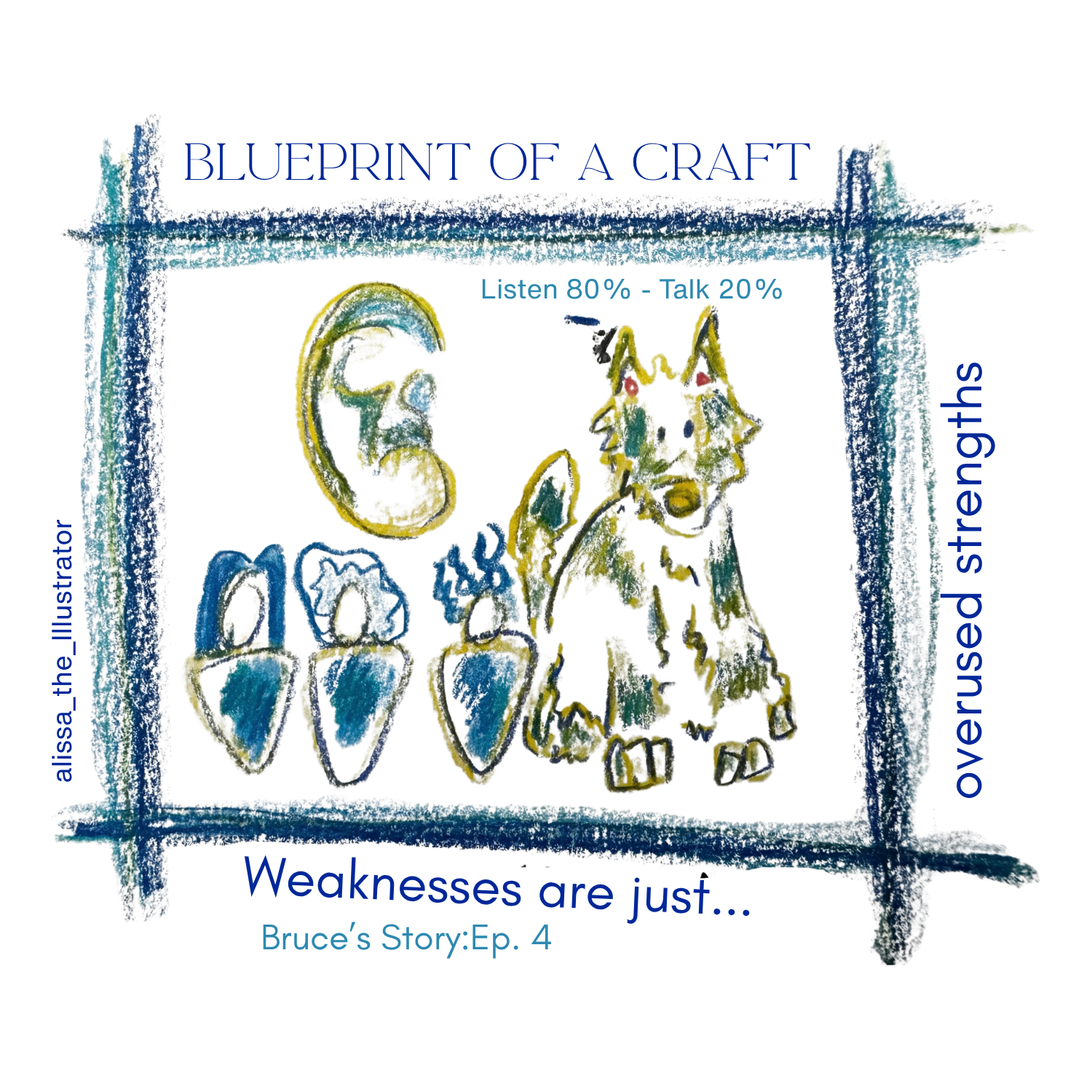
Bruce spent over four decades as a sales leader in high-tech and enterprise sales, including IBM, NCR, and Teradata, building multi-year strategic partnerships. Grounded in lessons from Pepperdine grad school under psychologist Duke Page—who taught him that weaknesses are often overdone strengths—Bruce built a career on understanding buyer psychology and connecting authentically.
Upon stepping away from full-time corporate work, he coined the term "Act Three" to redefine retirement as a proactive, creative phase.
Guest Current 'Craft' Progress
Bruce is actively testing out his "Act Three" blueprint by giving himself a strict six-month window to sit in the discomfort of being "positively unemployed" before taking on business or consulting ventures. He engages in personal weekly reviews, conducts 360-degree feedback audits with family, maintains intentional relationship maps, and systematically reviews long-standing personal interest lists.
Guest 'Craft' Future
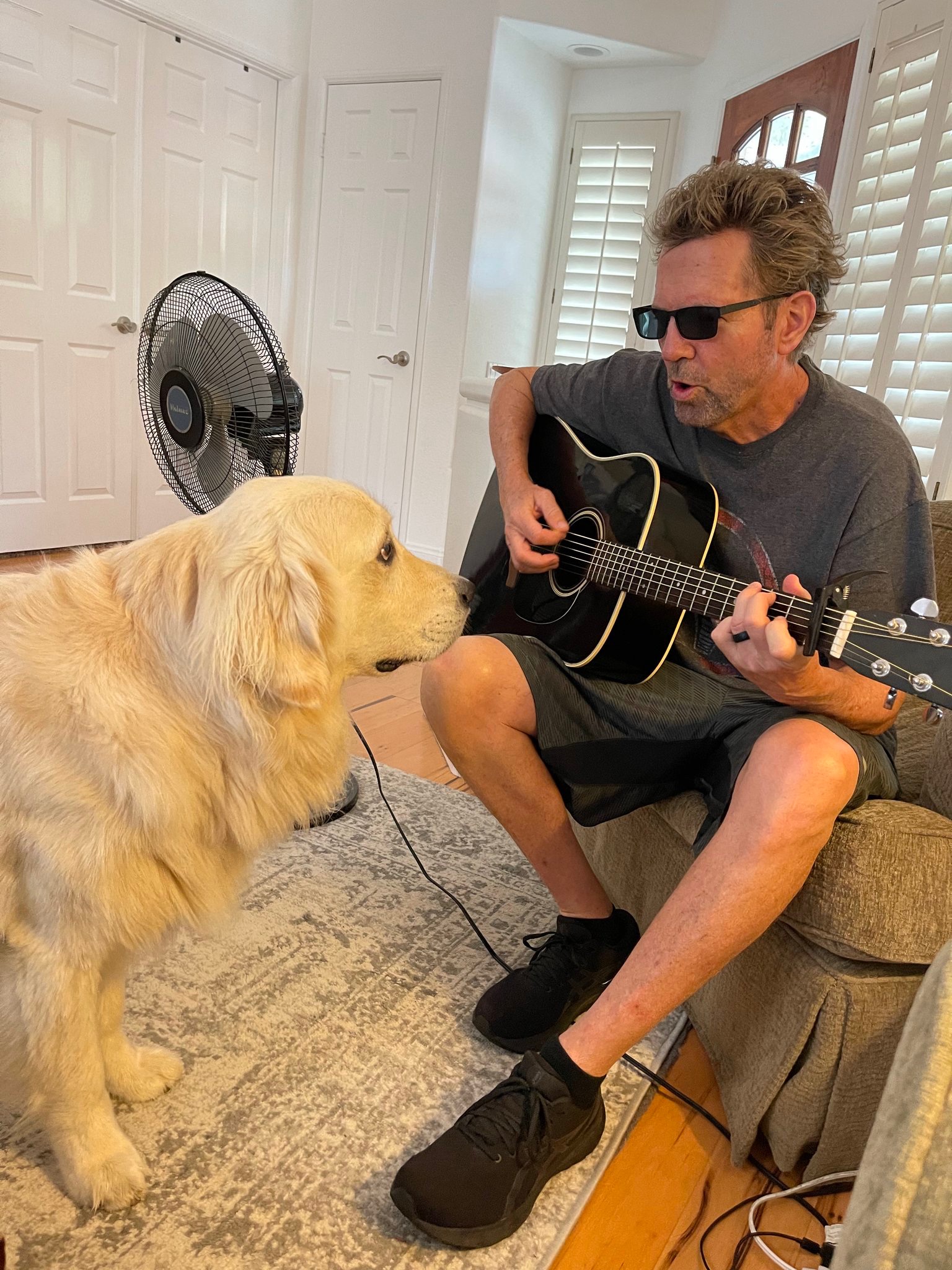
Looking ahead, Bruce plans to curate meaningful volunteer projects, explore musical passions like guitar open jams, pursue travel road trips, and build a network of genuine, interest-based friendships through daily activities like dog walking and community groups.
The 3 Principles of Successful 'Craft' Pursuit
Bruce’s Take on Play: Participate in guitar open jams, scheduled play, humor, and dog walking in the neighborhood as low-pressure ways to spark connection.
Bruce’s Take on Deep Conversation: Conduct 360-degree feedback reviews with family, hold 80/20 listening-to-talking ratios, and explore the non-financial emotional realities of career transitions.
Bruce’s Take on Self-Awareness: Differentiate between cynicism and healthy skepticism, identify intuitive blind spots, and practice mindfulness to sit through transition anxiety.
Partnership Highlights
Blueprint of a Craft, LLC is proud to partner and build many of their foundational blueprint business needs using Zralo. This is a platform consisting of AI staff and tools that help small businesses and hobbyists get back to the enjoyable ‘human’ and high impact parts of their jobs. This offers AI tools to easily build and manage websites, chatbots, CRM, Scheduling, Customer Support, Forms and more.
Tools and Resources Highlighted
The "Someday Maybe" List (Evernote): A dedicated digital filing system used to capture interesting ideas, road trips, and hobbies to review during life transition periods.
Relationship Mind Mapping: Visual mind maps utilized during 10-minute weekly reviews to map out networks and prompt weekly reach-outs to friends or past connections.
Rock Retirement Club & Podcast: A transition platform run by Roger Whitney, Retirement Answer Man podcast focusing heavily on the non-financial, story-building aspects of post-career life.
Personal 360-Degree Feedback Audits: Asking trusted family members and close peers direct questions about personal strengths, blind spots, and communication styles.
Practical Exercise
"Network Corridor and 80/20 Listening" Exercise
Map Your Network: Take 5 minutes to sketch out a simple mind map of your current network—including past colleagues, old friends, and casual acquaintances.
Make a No-Agenda Connection: Select one person off your map and send a quick, low-pressure text or email just to reconnect—no sales pitch, no agenda.
Practice 80/20 Listening: During your chat or catch-up call, intentionally listen 80% of the time and speak only 20%. Ask open questions about what is exciting them right now and notice what unexpected "corridors" open up.